Support Services for Rural Queensland Families
If your family lives outside a major city in Queensland, accessing palliative care can feel like an uphill task. Part of the reason is that around 27% of Australians live in rural and remote areas, and these communities often have fewer health professionals and longer wait times for specialist services. When that’s your reality and someone you love is facing a life-limiting illness, the weight of it falls on the whole family.
You don’t have to figure it all out on your own, though. PalAssist gives Queensland families free phone and chat support from registered nurses and allied health professionals, seven days a week.
And in the sections ahead, we’ll cover how to connect with palliative care services in regional areas, what home-based care looks like in practice, and how to start planning ahead for your family.
How Palliative Care Services Help Families Facing a Life-Limiting Illness
Palliative care services provide physical, emotional, and practical support for both the person with a life-limiting illness and the family around them. And that support covers a wide range of needs, including comfort, dignity, pain relief, and help with symptoms at every stage of the illness.
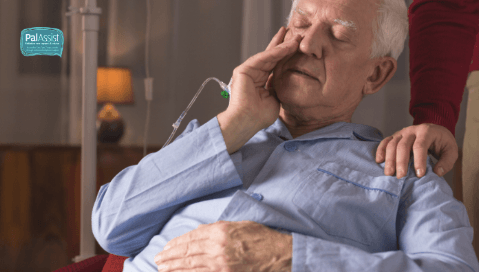
In practice, this means a nurse might visit weekly while a social worker helps the family apply for financial support at the same time. Beyond those visits, patients also receive guidance on treatment decisions; while care teams coordinate between doctors, hospitals, and community services so nothing falls through the gaps (and that coordination between teams is often the part families value most).
Connecting With Specialist Palliative Care Health Professionals in Rural Areas
If you live hours from a major hospital, you might be wondering how your family can access the same specialist care available in Brisbane or the Gold Coast.
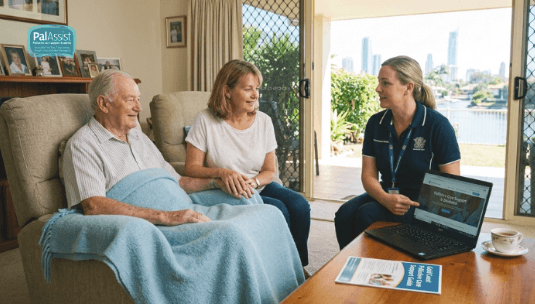
Frankly, where you live shouldn’t decide the level of care your family receives. And across Queensland, there are growing options for rural and remote families to connect with specialist palliative care health professionals without leaving their community.
Here’s how that works in different parts of the state.
Specialist Teams in Regional Hospitals
Larger regional hospitals in places like Townsville and the Sunshine Coast now have dedicated palliative care teams. These teams include doctors, nurses, and allied health professionals who provide specialist palliative care for patients with life-limiting conditions.
To access that support, your GP or hospital staff can arrange a referral and connect you with the right team in your region.
Telehealth and Remote Consultations
Telehealth has removed one of the biggest barriers for rural carers, and we’ve watched that shift firsthand across Queensland.
Instead of travelling long distances for a single appointment, patients and families can now consult with palliative care specialists through video or phone. This means your loved one can receive ongoing end-of-life care advice from a specialist palliative care team while staying at home.
How GPs and Community Nurses Work With Specialists
Your local GP and community nurses often play a central role in palliative care delivery, especially in regional areas. They coordinate with specialist teams to manage symptoms, adjust treatment plans, and provide day-to-day support for patients and carers (which means your local GP becomes the consistent thread through your loved one’s care).
And because that relationship is already in place, your GP can contact the specialist team directly when something changes and arrange a review without delay.
What to Expect From Palliative Care Providers When Receiving Care at Home
As we’ve covered already, palliative care providers bring a team of nurses, allied health professionals, and support staff directly to your loved one’s home on a regular basis. And for many rural families in Queensland, that familiar face showing up each week becomes one of the most reassuring parts of the whole process.
Let’s quickly look at what palliative care providers typically help with when care is delivered at home.
- Regular Home Visits: Nurses, allied health professionals, and support staff check in on a scheduled basis to monitor your loved one’s condition. These visits give patients consistent contact with their care team and allow health professionals to pick up on changes in symptoms early.
- Symptom and Medication Management: Palliative care providers help manage pain, medications, and equipment so your family can focus on being present rather than worrying about the clinical side. One example of this is when a community nurse adjusts a pain management plan after noticing new symptoms during a routine visit.
- Respite for Carers: Respite care is often the service carers wish they’d asked about months earlier, and that’s something we hear time and again from regional families. These programs give you a break while your loved one continues receiving palliative care in a safe, comfortable environment. And families in remote areas may also qualify for additional payments like the Remote Area Allowance through Services Australia to help offset some of those extra costs.
After everything is set up at home, the next step is planning ahead so your family’s wishes are clearly documented and understood.
See also: Businesses: Key Considerations When Choosing Interfax Hipaa Faxing Services
End of Life Care and Advanced Care Planning Through Queensland Health
Advance care planning gives you a way to document those preferences early, so the people involved in your loved one’s treatment know exactly what decisions to follow when the time comes.
The two terms often come up together, so it helps to see how they differ side by side.
| Advance Care Planning | End of Life Care | |
| What It Covers | Documents your loved one’s values, treatment preferences, and decisions about future care | Provides comfort, pain relief, and emotional support during the final stage of life |
| When to Start | As early as possible after a diagnosis of a life-limiting illness | When a patient is nearing the end of life, and active treatment is no longer the focus |
| Who’s Involved | The patient, their family, GPs, and sometimes a palliative care team | Doctors, nurses, palliative care teams, community health services, and carers |
Nobody finds these conversations easy, but families who have them early almost always say they’re glad they did.
And to help regional communities get started, Queensland Health funds a range of end-of-life care programs across regional and remote areas (something many regional families don’t realise is available to them). Those programs help ensure that patients nearing the end of life receive the right level of support, and that carers have access to information and advice throughout the process.
From there, it’s about connecting with the right people who can guide your family through each step.
Finding the Right Palliative Care Queensland Families Can Count On
Wherever you live in Queensland, free palliative care support is available to help your family access the right services. And because rural and remote communities deserve the same quality of end-of-life care as metropolitan areas, PalAssist is here to help your family find the right support.
To get started, you can contact PalAssist on 1800 772 273 (the palliative care number is open seven days a week, 7am to 7pm) and speak with a registered nurse or allied health professional. They can provide information about palliative care services in your area, help you understand your options, and point you toward community resources across Queensland.
Remember, you don’t have to work through this alone. One phone call is all it takes to start getting the support your family deserves.