Smart Power System: Revolutionizing Energy Management
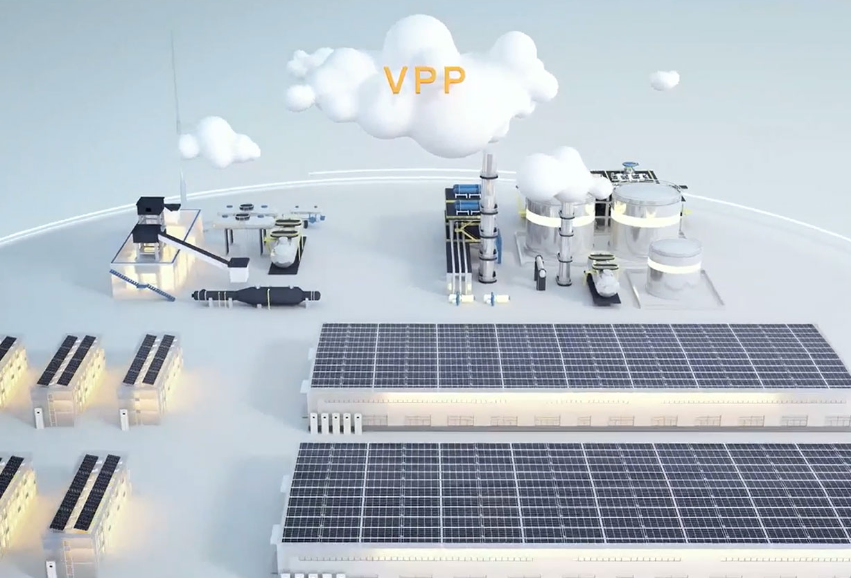
In today’s rapidly evolving energy landscape, smart power systems are emerging as a transformative solution for efficient, reliable, and sustainable energy management. As electricity demands increase globally, traditional power systems face challenges in maintaining efficiency, reliability, and sustainability. Smart power systems leverage advanced technology, automation, and real-time data analysis to overcome these challenges and redefine how energy is generated, distributed, and consumed.
What is a Smart Power System?
A smart power system is an advanced electrical network that integrates digital communication, intelligent devices, and automation to optimize energy generation, distribution, and consumption. Unlike conventional power systems, which rely on manual monitoring and control, smart power systems utilize sensors, smart meters, and advanced software to respond dynamically to changes in energy demand and supply.
These systems are designed to enhance efficiency, minimize energy losses, and improve the overall reliability of power supply. They can incorporate renewable energy sources, energy storage solutions, and predictive analytics to manage electricity flow intelligently.
See also: Top Offplan Properties Dubai: Buy Smart & Invest Today
Key Components of a Smart Power System
- Smart Meters: These devices monitor energy consumption in real-time, providing detailed insights for both consumers and utility providers. They enable precise billing and encourage energy-saving behaviors.
- Automated Control Systems: Automation allows for seamless adjustment of power generation and distribution based on real-time demand, reducing waste and preventing overloads.
- Renewable Energy Integration: Smart power systems facilitate the integration of solar, wind, and other renewable energy sources. Intelligent management ensures consistent power supply despite the intermittent nature of renewables.
- Energy Storage Solutions: Batteries and other storage systems store excess energy during low-demand periods and release it when demand peaks, enhancing grid stability.
- Advanced Communication Networks: High-speed digital communication networks connect various system components, allowing real-time monitoring, data collection, and predictive maintenance.
Advantages of Smart Power Systems
- Enhanced Efficiency: Real-time monitoring and automated control reduce energy losses and improve overall efficiency.
- Reliable Power Supply: Smart systems detect and respond to outages or fluctuations quickly, minimizing disruptions.
- Sustainable Energy Use: By integrating renewables and promoting energy conservation, smart power systems contribute to environmental sustainability.
- Cost Savings: Efficient energy management reduces operational costs for utilities and lowers electricity bills for consumers.
- Predictive Maintenance: Sensors and data analytics detect potential issues before they escalate, preventing costly repairs and downtime.
Applications of Smart Power Systems
- Residential Buildings: Smart meters and home automation systems help homeowners track consumption and reduce energy costs.
- Commercial Facilities: Businesses can optimize energy usage, integrate renewable sources, and improve operational efficiency.
- Industrial Plants: Smart power systems ensure stable electricity supply, monitor equipment performance, and prevent costly downtime.
- Smart Cities: Integrated energy networks enhance urban energy management, reduce waste, and support sustainable urban development.
Challenges in Implementing Smart Power Systems
While the benefits are significant, implementing smart power systems comes with challenges:
- High Initial Investment: Advanced equipment, sensors, and automation systems require substantial upfront costs.
- Cybersecurity Risks: Increased connectivity exposes the system to potential cyber threats.
- Technical Complexity: Integrating various components and ensuring seamless communication demands technical expertise.
Despite these challenges, the long-term benefits of efficiency, reliability, and sustainability make smart power systems a worthwhile investment.
FAQs About Smart Power Systems
Q1: How does a smart power system differ from a traditional power grid?
A smart power system uses digital communication, automation, and real-time monitoring to optimize energy management, while traditional grids rely on manual control and have limited real-time capabilities.
Q2: Can smart power systems integrate renewable energy sources?
Yes, they are designed to integrate solar, wind, and other renewables while maintaining stable energy supply through intelligent control and storage systems.
Q3: Are smart power systems cost-effective?
Although the initial investment is high, they reduce operational costs, improve efficiency, and lower electricity bills over time, making them cost-effective in the long run.
Q4: What role do smart meters play in a smart power system?
Smart meters provide real-time consumption data, enable accurate billing, and allow consumers to monitor and manage their energy usage effectively.
Q5: Are smart power systems secure?
While cybersecurity is a concern due to increased connectivity, robust encryption, secure protocols, and regular system updates help protect against potential threats.
Conclusion
The smart power system represents the future of energy management, offering efficiency, reliability, sustainability, and cost savings. By leveraging intelligent technologies, automation, and renewable energy integration, these systems not only meet growing electricity demands but also contribute to a greener, smarter, and more resilient energy infrastructure. For businesses, homeowners, and cities, adopting smart power systems is a strategic step toward a sustainable and efficient energy future.